February 20, 2026
The Professional Detailing Blog
Welcome to our collection of car care essentials. From deep-cleaning tips to paint protection secrets, our blog provides the knowledge you need to ensure your vehicle always looks its best. Master the art of upkeep with Eco Mobile.
Get a Quote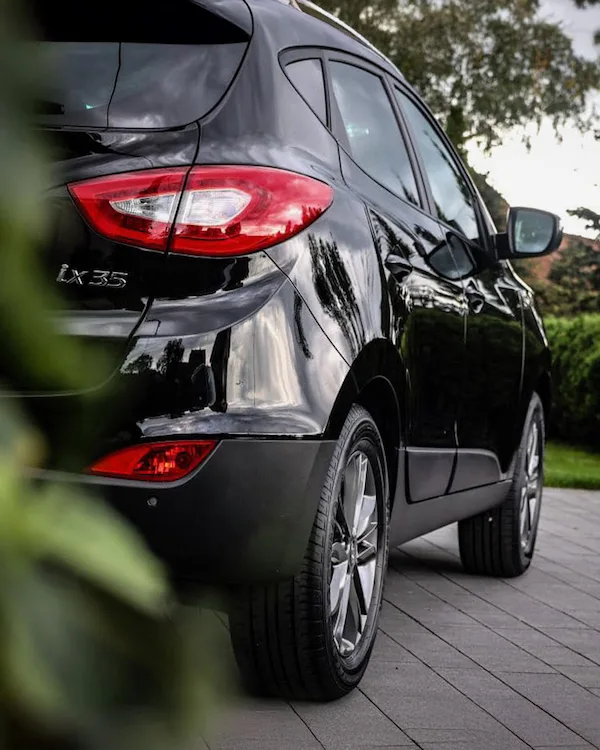
When buying a car, apart from rational considerations such as its technical condition, history or mileage, the purchase decision is often made through a visual prism. A clean car looks more well-kept in every respect and often reflects well on its owner. Of course, unfortunately, the proper technical condition of the vehicle does not always go hand in hand, but there is no doubt that the first impression is very important and can determine the sale of the car.
What detailing activities are worth doing before selling?
Paint correction
After years of use, the car's paint loses its natural shine. Especially when the car is clean, you can clearly see all its imperfections, including minor and major scratches. Paint correction allows you to highlight the original color of the paint, remove smaller and even larger scratches that might seem to be repairable only in body shops by repainting.
Polishing
Polishing is one of the most frequently recommended services before selling a vehicle and its cost can be recovered even several times over. There are two types of polishing - the so-called "One Step" and full correction, the so-called two-stage. Two-stage correction is a more expensive procedure, but it removes more scratches (including even the smallest ones that are visible only in good lighting) and adds additional finish and shine. Often, however, even after a one-step correction, the effect will be spectacular.
“Uni” varnishes, i.e. two-layer and non-metallic, will always require more work. For such varnishes, it is recommended to use a two-stage correction.
Interior washing
Washing the interior is not always necessary to properly prepare your car for sale, but in the case of visible stains, it is the only effective way to get rid of them. Visible persistent dirt will have a very negative impact on the feelings of interested parties during the inspection, so it is worth getting rid of them. Additionally, washing the interior helps eliminate unpleasant odors.
Washing the interior does not have to mean high costs or cleaning all surfaces in the car. If, for example, only the passenger seat needs washing, the cost of such a procedure is minimal. You can also wash elements such as the headliner, rugs, armrests, armchairs and the floor.
Cleaning upholstery and leather elements
In the case of leather upholstery, after some time, even during completely standard use, it begins to naturally get dirty and change its color (especially in the case of light-colored leather). Unprotected leather upholstery is very sensitive to discoloration, e.g. from jeans.
Bright black upholstery looks very unattractive and is unfavorable when selling the vehicle. An example of such an implementation is, among others, Volvo XC60, which we had the opportunity to prepare for sale.
In the case of cars with a leather steering wheel, it is also worth relying on specialists to clean its surface (apart from the visual aspect - the material becomes more matte and less shiny, this is very important from the point of view of hygiene). The cost of such a procedure is low.
Car ozonation
Car ozonation is a treatment that eliminates unpleasant odors, bacteria and mites. The service time is very short (about 30 minutes) and the cost is low. It is especially important to perform ozonation if cigarettes were smoked in the car.
What are the advantages of detailing before selling the vehicle?
✔ Increased value
✔ The cost of the service pays off several times - it should be treated as an investment
✔ Speed of the transaction - after proper preparation, we can count on a much faster car sale
✔ Photos of the vehicle at auction look more attractive and eye-catching
✔ In the case of more expensive cars, customers expect appropriate condition and preparation - otherwise they may abandon the purchase
For our customers' convenience, we have combined the most important services into one beneficial package!
Car preparation package for sale:
ONE STEP paint correction,
Hard wax for varnish,
Cleaning and cosmetics of leather upholstery/washing fabric seats,
Washing carpets and trunk,
interior cleaning
Package cost: £200
February 20, 2026
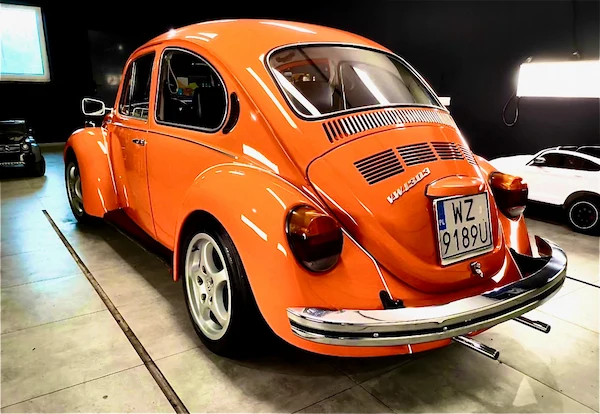
The market for car care products can be overwhelming. The current offer of car cosmetics is so wide and filled with various products that it may be difficult for detailing novices to get their bearings. Manufacturers make every effort to improve the care process as much as possible, which is why the boundaries between different types of cosmetics are increasingly blurred.
Companies are starting to offer more and more universal products, so that one product can replace several others and have the highest possible durability. Hence, for some time now, ceramic coatings have become more and more popular. They protect, similarly to waxes, against negative factors, but in a broader spectrum and with a much longer effect, but are unfortunately much more expensive to apply than wax.
BEFORE WE GET TO THE SPECIFIC…
A FEW WORDS ABOUT WHY WE REALLY NEED WAX.
The basic purpose and property of each wax is to protect the paint of our car. The wax protects the paint surface against unfavorable weather conditions and UV rays, i.e. it protects the paint from fading.
Additionally, a surface protected with wax will not attract dust and various contaminants so quickly, which makes cleaning and caring for the paint easier.
What else does wax give us? First of all, the appearance. Waxes bring out the depth of color, leaving the so-called wet look, i.e. the effect of a wet car, and give a mirror shine. Some manufacturers offer dedicated waxes for dark and light paint colors. The use of dedicated wax can increase the best effect of color depth.
TYPES OF WAXES:
There are countless amounts of waxes for our cars on the market. From budget "lards" for a few zlotys to luxury top-shelf products for several thousand.
So what wax should we choose? First of all, remember to choose cosmetics according to your needs, the type of nail polish and use them according to their intended purpose.
This is the basic principle.
So let's start from the beginning. All waxes are divided into 3 basic categories:
Natural waxes (waxes of natural origin, e.g. carnauba).
Synthetic waxes (artificial waxes produced by chemical processes).
Hybrid waxes (combination of natural and synthetic waxes).
and division according to consistency:
solid, in the form of a paste, i.e. the so-called hard wax
liquid
a) Waxes in the form of milk
b) Spray waxes
Now let's consider what wax you need. First of all, we need to answer a few basic questions:
How many kilometers do I drive per month?
How do I wash my car, how often and what products do I use?
Is the car you want to take care of a car for short weekend trips or for everyday use?
NATURAL WAXES
We recommend natural hard wax for vintage, weekend, exhibition vehicles and detailing enthusiasts. This is the least durable wax and resistant to weather and road conditions, but it allows us to extract expressive depth from our paint.
For natural waxes, it is recommended to use cleaners, i.e. cleaning products usually with a milky consistency, which remove the remains of old wax from the varnish, degrease and increase the depth and slipperiness of the varnish, improving its appearance even more.
Natural wax is a pleasure to apply. It is usually easy to break in. Leaves a pleasant and delicate scent. In order for the natural wax to last for several weeks, you should use only cosmetics with a neutral PH and avoid washing with products at car washes. If you use a cleaning agent with a different pH than neutral, the wax may flow out along with the dirt.
SYNTHETIC WAXES
What about the car we use every day? If we use the car in snow, dirt, rain, etc. and cover a significant number of kilometers, it is worth using synthetic wax. We usually do not use any cleaners for synthetic waxes, and surface preparation involves degreasing the varnish using the so-called isopropyl alcohol. IPA.
The chemical ingredients contained in synthetics help protect the paint coating for a longer period of time (from a month to even a year) than natural waxes and are more resistant to aggressive cleaning agents and weather conditions.
The application of synthetics is more difficult and unpleasant due to the difficulty in breaking in and the unpleasant chemical smell. Their great advantage is the ability to mask imperfections and micro-scratches on the paint. This is because they contain a huge amount of fillers and additives.
HYBRID WAXES
Hybrid waxes are the golden mean between natural and synthetic waxes. Hybrid waxes are a combination of synthetic and natural wax. Depending on the proportions of both, it protects the paint for a long time while giving it the appropriate shine and depth. The composition includes natural carnauba, polymers and color and fragrance additives. In short, a hybrid has the properties of both waxes.
HARD WAX, SPRAY, OR MAYBE MILK…?
SPRAY WAXES
This is a good choice if you care about time and results. How should they be used? Before using them, you can also use a cleaner, just like with hard wax. Spray the clean, cool and dried varnish in a shaded place, spread the product over the element, and then wipe it with a microfiber cloth so that no streaks remain.
Spray waxes are an ideal solution as a supplement to the wax coating or as an additional layer on top of previously applied hard wax.
These are usually synthetics or hybrids. As a result, they provide great water repellent effect, high durability and gloss. However, please remember that they will not replace hard wax. They should be treated more as so-called Quick Detailer, i.e. agents for quickly refreshing the paint.
Waxes are also available and can be applied to clean but wet paint (we avoid the drying step). This type of wax binds perfectly with water, creating a hydrophobic, waxy coating on the varnish.
WAX IN THE FORM OF MILK
Currently, they are less popular than hard ones, and the level of paint protection is much lower. However, a dozen or so years ago, due to the low purchase cost and availability in virtually every supermarket and automotive parts store, they were very popular. They started to get pushed out by the spray waxes. Why?
Their durability is lower or the same as spray waxes, but their application is more troublesome. In short, these are waxes that are neither the most practical nor the most durable. One thing is certain, they contain a lot of fillers that mask scratches and leave a shine on the paint.
NOT THE CHEAPEST, NOT THE MOST PRACTICAL, NOT THE MOST PLEASANT, BUT THE MOST DURABLE… HARD WAX
Hard waxes are the most well-known and most popular type of wax. Natural hard waxes containing carnauba, i.e. the best natural wax, are available practically only in solid form (except for Quick Detailers spray containing carnauba particles).
They are most often chosen by automotive enthusiasts and detailing fans. They are characterized by the highest durability and resistance to weather conditions. Providing unique depth and slipperiness of the varnish.
That's all about waxes :). Now it's time for ceramic coatings. In the next article you will learn everything about the increasingly popular ceramics. If you have any questions, please contact us. We remain fully at your disposal.
February 20, 2026
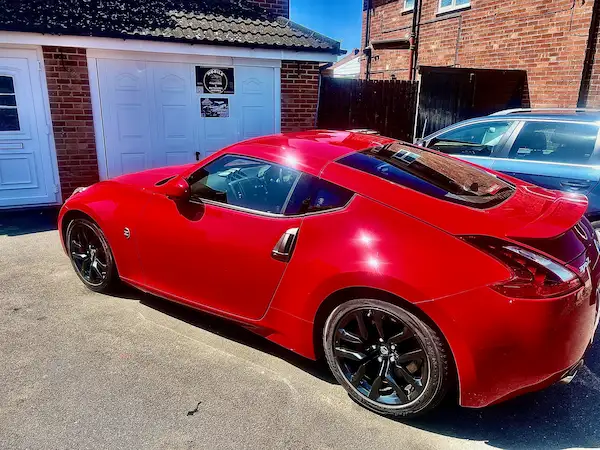
A well-kept, attractive-looking car reflects well on its owner. The car may not be the newest, but its body paint, kept in excellent condition, is admirable and even takes a few years off, which in turn translates into an increase in the car's value when sold. How to keep your car in good shape despite everyday use? Discover the advantages of ceramic coating.
What is ceramic coating?
Until recently, the best, commonly used way to protect car paint was waxing. Ceramic coating, previously associated with high costs, was not as popular as it is now. Nowadays, ceramic coating is within the reach of almost every car owner and does not indicate luxury, but a sign of high care for your vehicle. So what is a ceramic coating?
Ceramic coating is a special liquid preparation that is dispensed after paint preparation, i.e. two-stage paint correction, then spread over the body surface and polished after drying. The ceramic coating uses a nanotechnological combination of silicon oxide and titanium oxide, enriched with additional ingredients: solvent, carrier, and sometimes also Teflon.
How does a ceramic coating affect the car's paint?
New regulations regulating the chemical composition of car paints have withdrawn lead and toluene from production, considering them particularly harmful to health. This caused car paints to become much weaker and more susceptible to damage resulting from normal car use.
The ceramic coating combines with the clear coat, protects it and makes it more resistant to everyday damage. Perfectly protects the paint surface against the effects of rain and snow, frost and sunlight. Thanks to the ceramic coating, water does not retain, but quickly flows off the paint, leaving it almost dry. Moreover, the ceramic coating deepens the color of the paint and gives it shine.
It also provides a layer of protection against mechanical damage caused by sand or small stones hitting the wheels of another car, abrasions caused by small twigs broken by the wind, or traces of claws of birds or cats that sometimes warm themselves on the hood of the car. If scratched, the scratch does not damage the clear varnish, but stops on the ceramic coating.
When applied to the factory paint, the ceramic coating crystallizes and forms a layer. Therefore, it provides excellent protection against discoloration caused by resin or tree sap, bird droppings, insect traces or asphalt tar stains.
What is the purpose of applying a ceramic coating?
The ceramic coating is intended to strengthen the outer protective coating of the car, i.e. the clear coat, which, after a primer that smoothes out unevenness of the sheet metal and a layer of colored base coat, constitutes the last, top layer of paint. The ceramic coating is therefore intended to protect:
clear varnish, most susceptible to damage - against matting, peeling, color fading, pitting after acid rain or bird droppings, against the formation of holograms (suns, spiders) and light scratches,
base varnish – against deeper scratches and chips,
primer – against corrosion.
What are the effects of applying a ceramic coating?
The effect of protecting the car's paint with a ceramic coating is to create an excellent protective layer for the bodywork. Advantages of ceramic coating:
protects the paint against the effects of atmospheric, chemical and mechanical factors
protects the actual paint against chips and scratches
protects the color of the car and even revives it
protects the paint against pitting and corrosion
prevents water, dirt and dust from getting into the base coat
protects body elements that are particularly susceptible to corrosion, such as sills, the lower part of the doors, and roof elements
refreshes the appearance of matte varnish
does not affect the result of testing with a paint thickness meter (it is several microns thick)
a well-kept bodywork increases the value of the car
How long does a ceramic coating protect a car's paint?
The ceramic coating provides up to 7 years of paint protection. Please remember that this protective layer should be maintained on average every 3-6 months.
Cars protected with a ceramic coating are best washed by hand or touchless. Dirt remaining on the brushes in automatic car washes may damage and scratch the paint and ceramic layer.
The ceramic coating effectively replaces wax, so there is no need to additionally wax the car body. It can also be used to protect rims, plastic elements and even rubber.
February 20, 2026
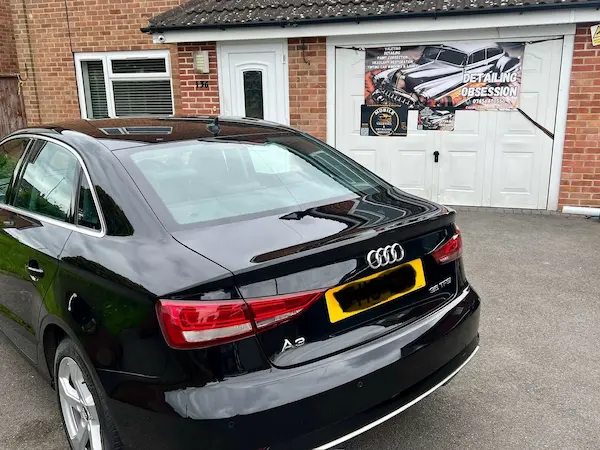
The smell in a car is not only a matter of aesthetics, but also of comfort and well-being while driving. A properly selected aroma can help improve your mood and increase concentration, creating an atmosphere of freshness inside the vehicle. Choosing the right car perfume reflects the owner's individual style. If you are wondering what scent to choose for your car, be sure to read the guide below. We invite you to read!
How long does the new aroma last?
The new car smell is unique, but unfortunately it disappears after a few weeks. For many people, this specific aroma is a symbol of newness and purity. When purchasing a used vehicle, you often notice an odor left by the previous owner, which may not always be pleasant. In neglected cars, especially on humid days, the unpleasant smell may become more intense and bothersome, requiring thorough interior cleaning.
Individual aroma in your vehicle
Many people decide to personalize the interior of their vehicle by hanging scented trees under the mirror, which have been popular since the 1950s. Although these products are affordable, they may often contain artificial chemicals that are not indifferent to health. Before purchasing, it is worth paying attention to the composition and choosing high-quality products, especially if the driver or passengers suffer from allergies.
Exclusive car perfumes
For those who value exceptional quality and subtle effects, car perfumes may be a suitable option. They are created in a similar way to traditional perfumes, using natural plant extracts, balms and resins, which are transformed into exclusive fragrance compositions in the hands of specialists. These products are gaining recognition among car detailing enthusiasts and people who care about the aesthetic details of their vehicles.
How to choose the perfect car perfume?
The choice of car perfume is very individual and it is worth testing several different brands and fragrances. The available options include floral, citrus, oriental and many other aromas, allowing you to adjust them to your personal preferences.
Examples of car perfumes:
Fresso Paradise Spark Air Perfume - an elegant citrus composition with notes of bergamot, lemon, lily of the valley and oakmoss that lasts for several days
ADBL Spirits – intense fragrance with notes of cedar, Arabica coffee and exotic resins, created on the basis of essential oils
Areon Leather Gold Star - a luxurious freshener in the form of a leather bag, with main notes of lemon, orange, pine and additional aromas of lavender, rose and anise
Colourlock Leather Essence – ideal for cars with leather upholstery, offering the subtle scent of traditionally tanned leather
Mr&Mrs Air Friends Cesare Spray Black Cedar Wood - perfume designed for use on fabrics, with the dominant scent of cedar, enriched with notes of lemon, jasmine, rosemary, lavender and patchouli. This composition is ideal for refreshing fabric upholstery and car mats, providing long-lasting and pleasant aromas.
Car perfumes – key aspects worth paying attention to when choosing
Composition – when choosing car perfumes, it is worth paying special attention to the composition of the product. Natural essential oils are preferred because they are less likely to cause allergies and have a nicer, more natural scent
Durability – when choosing perfume, it is worth considering how long the scent will last. Some car perfumes may retain their aroma for several days, while others may retain their aroma for several weeks
Intensity – some scents are more subtle, others intense and expressive. The choice depends on preference and how strong the scent is acceptable to the user and passengers
Aesthetics – apart from the smell, the appearance of the perfume is also important. Elegant bottles or stylish packaging can be an additional decorative element of the vehicle interior
Choosing the right fragrance for your car is not only an aesthetic issue, but also a functional one. A well-chosen aroma can contribute to better well-being while driving and increase comfort for all passengers. It's worth taking the time to test different options to find that perfect scent that will reflect your personal style and ensure driving pleasure every day.
February 20, 2026
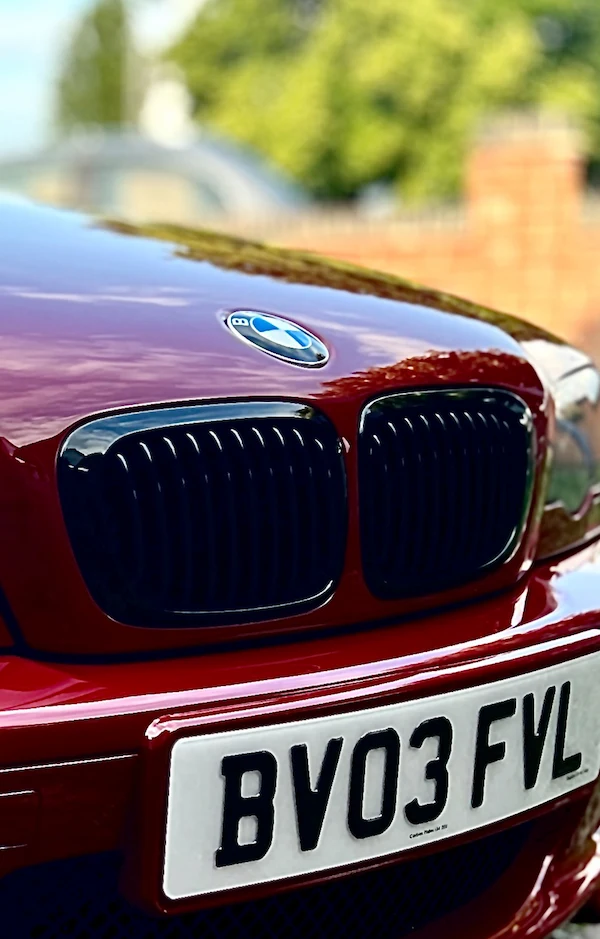
The car paint protection market offers a number of products, two of which are the most popular: ceramic protective coating and car wax. Each of these products has its own unique properties and advantages, so understanding their specificity is crucial to making the right choice. This article will help you understand the differences between these two methods so that you can consciously decide which one will better meet your expectations.
Ceramic protective coating – advanced protection for your car
The ceramic protective coating is distinguished primarily by its durability. It is much more durable than traditional wax, providing long-term protection against external factors such as UV radiation, scratches and chemicals. This makes it an ideal choice for people looking for a solution that will maintain the aesthetic appearance of the car for longer. Additionally, the ceramic coating intensifies the color of the paint, adding depth and shine, and its smooth structure makes it easier to keep the vehicle clean.
Wax – traditional protection with a natural shine
Car wax, known for its ease of application, is an excellent choice for people who value natural shine and ease of use. Waxing can be done on your own, without the need for specialized tools or skills. It is also cheaper and more accessible compared to ceramic coating, making it an attractive option for those on a budget. The wax also offers good water resistance, which makes it easier to keep the car clean.
Choosing between ceramic coating and wax – what should you pay attention to?
The decision to choose between a ceramic coating and wax should be dictated by your personal preferences, financial possibilities and expectations regarding the end result. If your priority is long-term protection, color intensification and ease of cleaning, a ceramic coating will be the best choice. However, if you care about economy, natural appearance and simplicity of application, it is worth considering wax. Regardless of your choice, regular cleaning and care are essential to maximize the life and effectiveness of your chosen paint protection method.
Practical tips on application and maintenance
Ceramic coating application
The application of a ceramic coating requires precision and appropriate conditions. It is recommended that work be carried out in closed, clean and well-ventilated spaces to avoid contamination. The surface of the car must be thoroughly cleaned and degreased before applying the coating, which will ensure its best adhesion and effectiveness. It is best to entrust the work to specialists such as BLING AUTO DETAILING who use professional equipment and have experience in working with this type of materials.
Wax application
Unlike ceramic coating, waxing is a process that you can easily do yourself in your home garage. The wax should be applied to a clean and dry surface using a soft sponge or a special applicator. What is important? It is worth paying attention to spread the wax evenly, avoiding excessive application of the product. After application, the wax should be left to dry and then polished with a soft cloth. This way you will ensure a deep and lasting shine.
Frequently asked questions (FAQ)
Is the ceramic coating resistant to all types of contamination?
The ceramic coating offers high resistance to many contaminants, but is not completely immune to very aggressive chemicals or mechanical damage. Regular cleaning and avoiding contact with harmful substances increase its durability
How often should you re-wax your car?
The frequency of waxing depends on many factors, such as the operating conditions of the car, the type of wax and the quality of the previous application. It is usually recommended to wax your car every 3-6 months
Can I use wax on a ceramic coating?
Although it is not necessary, you can apply wax to the ceramic coating for additional shine. However, you must ensure that the products are compatible with each other to avoid potential damage to the coating
Each method of protecting car paint has its advantages and can be effective if used and cared for properly. The choice of the appropriate option depends mainly on individual needs, expectations and available budget. Regular care and attention to detail are crucial to maintaining the beauty and protection of your car.
February 20, 2026
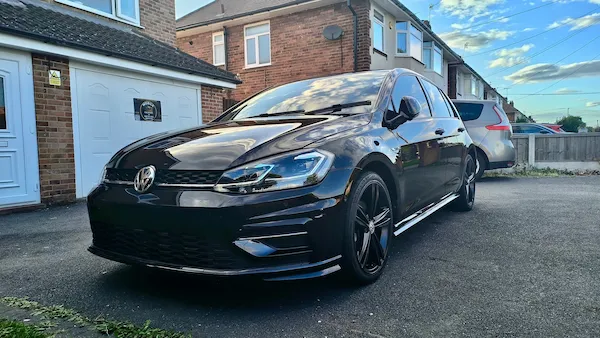
A well-kept car body is not only a matter of aesthetics, but also a way to increase the value of even an older vehicle. Many of us wonder how to effectively and economically improve the appearance of our car. There are a number of methods that allow you to achieve this goal, both in professional car detailing salons and at home.
How to wash the bodywork effectively?
The basis of care is thorough washing of the vehicle, which is necessary before other treatments. Although the simplest solution seems to be a visit to a car wash, it is worth choosing those offering manual or touchless washing to avoid the risk of paint damage by automatic brushes. When washing, it is worth using dedicated agents, such as active foam or special car shampoos, avoiding household detergents. After using appropriate cosmetics, it is crucial to rinse the body thoroughly so that no residues of cleaning agents remain on it.
Paint decontamination
It is often necessary to decontaminate the paint. This means removing more difficult contaminants from the body surface, such as metallic deposits, tar or asphalt. These contaminants will not disappear with standard washing, so it is worth using specialized decontamination products. This treatment is especially recommended before applying waxes or other protective agents to the paint.
Bodywork protection and care
To effectively protect the paint against external factors and emphasize the aesthetic appearance of the car, it is worth using a variety of car cosmetics. Waxes and protective coatings not only protect, but also make the vehicle look better and be more resistant to future contamination. Although such products provide long-lasting protection, it is always worth reading the manufacturer's recommendations, as the frequency of use may vary.
Paint correction
In case of noticeable paint defects, such as minor scratches or scuffs, professional polishing may be considered. Although it is possible to carry out this procedure yourself, it is recommended to be careful and use special polishing pastes and tools, such as pads or mounting plates, adapted to the type of damage. To obtain the best results and avoid further damage, it is best to entrust this type of tasks to specialists such as BLING AUTO DETAILING.
How to choose the right body care products?
Did you know that choosing the right body care products is crucial to achieving optimal results? There are many specialized car cosmetics available on the market, which differ in composition, purpose and effectiveness. When choosing, it is worth considering not only the price, but above all the specification of the product and its intended use for a specific type of varnish and dirt. These products can be found in automotive stores, but also increasingly in online stores, where detailed descriptions and user reviews are available.
Application techniques of care products
The process of applying care products itself can significantly affect their effectiveness
waxing should be carried out on a clean and dry surface, preferably at a temperature of 10 to 25 degrees Celsius
The wax should be applied evenly using a soft sponge or a special applicator, and then polished until shiny using a soft, clean microfiber cloth.
Similar rules apply to the application of other products, such as protective coatings or sealants, which often require a specific drying time before applying subsequent layers.
Why is regular body care so important?
Regularity of care is as important as the choice of products and application technique. Neglecting regular maintenance activities may lead to gradual deterioration of the paint, which in turn translates into the need to carry out more intensive and expensive renovation treatments. Experts recommend washing your car at least once a week, while waxing or applying other protective products - depending on the product - may be required every few months.
Taking care of your car's bodywork is not only an aesthetic issue, but also a practical one, affecting the durability and value of the vehicle. By following the above tips and regularly caring for the bodywork, every vehicle owner can enjoy its impeccable appearance and better performance on the road. Regardless of whether you decide to do it yourself or use professional services, consistency and attention to detail are the key.
contact
To arrange a convenient date, please contact us
please contact us by phone or e-mail.